Project Overview:
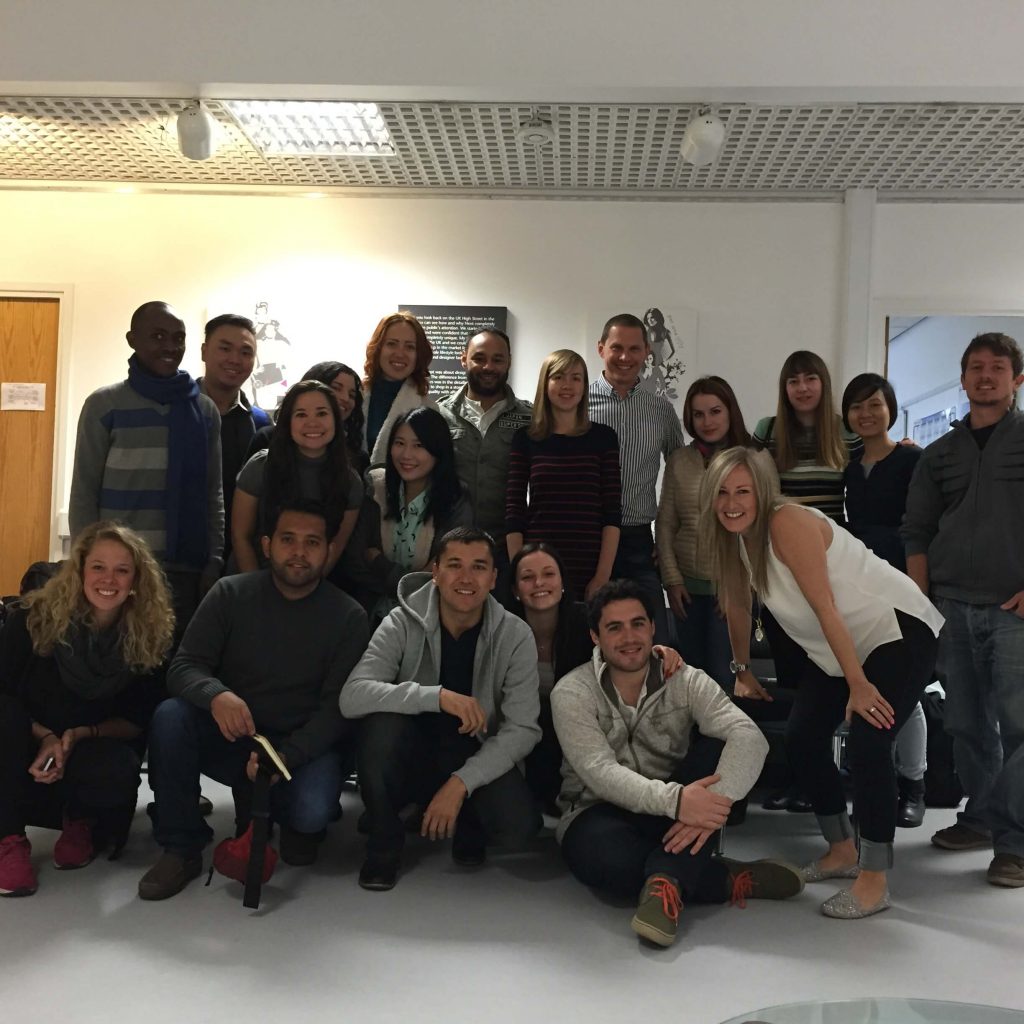
In 2013, Informatics Ventures launched the inaugural Scottish School for Female Entrepreneurs in response to the need for more tailored support for women founders in Scotland’s growing tech and innovation sectors. Dr Julie McFarlane was invited to design and lead the initiative. The aim was to create a high-impact residential programme that would empower women with the confidence, tools, and strategic insight to build scalable businesses, refine their value propositions, and attract investment. The programme brought together 25 female entrepreneurs over an intensive weekend, with sessions focused on entrepreneurial clarity, strategic planning, and investment readiness. The event was a landmark moment in gender-focused enterprise education and received widespread media attention.
The Challenge:
Despite an increase in entrepreneurial activity across Scotland, women remained significantly underrepresented in tech start-up leadership, funding rounds, and accelerator programmes. Many had promising business ideas but lacked access to networks, targeted training, or investor-facing support. The challenge was to rapidly build entrepreneurial capacity, address confidence gaps, and provide a structured pathway to growth — all within a short, immersive timeframe. There was also a wider cultural challenge: to demonstrate that Scotland’s innovation ecosystem could be inclusive, diverse, and reflective of all entrepreneurial talent.
The Solution:
Over two intensive days, the programme delivered a carefully curated mix of workshops, mentoring, and peer learning activities. Dr McFarlane designed the weekend to follow a founder’s journey — from refining the business concept to mapping growth strategies and preparing a compelling investor pitch.
The learning model incorporated lean start-up methodology, customer validation frameworks, and entrepreneurial storytelling techniques. A final pitching session allowed each founder to present their refined value proposition to a panel of mentors and invited guests. Participants also benefited from high-level feedback, networking, and peer accountability.
The Impact:
The programme’s outcomes were immediate and far-reaching:
Confidence and Clarity: Participants left with stronger narratives, greater commercial focus, and the tools to pursue funding or partnerships with clarity.
Pathways to Growth: Several attendees progressed their ventures to investment readiness or formed new partnerships and spin-outs.
Visibility and Influence: The event received strong press coverage and became a benchmark for gender-inclusive innovation support.
Sectoral Shift: The success of the programme inspired similar initiatives, prompting other organisations to examine how they support underrepresented founders.
Conclusion:
The Scottish School for Female Entrepreneurs delivered more than just a weekend of training—it sparked a shift in how female founders were supported in Scotland’s start-up ecosystem. Dr Julie McFarlane’s leadership ensured the programme was both strategically designed and emotionally impactful. It provided a platform for women to lead, pitch, and grow in a space historically dominated by male-led ventures. This case study remains a powerful example of how focused, inclusive interventions can unlock new talent and drive cultural and commercial change.